
Incorporating artificial grass in retirement villages enhances outdoor spaces for social interaction and physical activity, catering to seniors with varying abilities. This shift towards artificial grass addresses traditional landscaping challenges by offering vibrant aesthetics and low maintenance, which in turn improves accessibility and enjoyment for all residents.
Artificial turf or grass is especially pertinent in light of data from the World Health Organization, which identifies falls as a leading cause of injury among the elderly, with an estimated 37.3 million falls requiring medical attention annually??.
Age Safe America further emphasizes the gravity of fall-related injuries, stating falls as the primary cause of fatal injuries and a common cause of nonfatal trauma-related hospital admissions among older adults??.
These statistics underscore the necessity for safer living environments, making the case for artificial grass as a strategic choice in retirement village design.
In this article, we’ll explore the benefits and potential drawbacks of artificial grass within retirement villages, focusing on creating safer, more engaging outdoor spaces.
Let’s start!
What Exactly is Artificial Turf?
Artificial turf, a ubiquitous sight in sports arenas and increasingly popular in retirement communities, boasts a history surprisingly rich in innovation and unexpected twists.
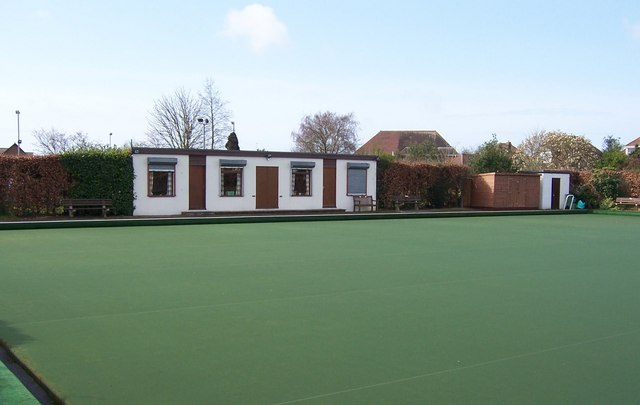
But before we explore its benefits and considerations, let’s delve into its composition and fascinating journey.
What Makes Up Artificial Turf?
While early iterations resembled more like green shag carpets, modern artificial turf employs a sophisticated combination of materials:
- Yarn Fibers: Traditionally made from nylon, polypropylene, or polyethylene, these fibers mimic the look and feel of natural grass blades. Advancements have led to more realistic textures and even heat-resistant varieties.
- Backing: Woven from materials like polypropylene or polyurethane, the backing provides stability and anchors the yarn fibers firmly in place.
- Infill (optional): Some types of artificial turf use infill materials like sand, rubber crumb, or cork granules to add weight, cushion, and mimic the feel of natural soil.
From Humble Origins to Astroturf Mania:
The story of artificial turf dates back to the 1920s when a German chemist experimented with synthetic fibers for sports fields. However, it wasn’t until the 1960s that a chemist named Manfred Bönighausen created a more realistic version, christened “AstroTurf” after the Houston Astrodome where it was first used.
Astroturf quickly gained popularity, revolutionizing sports landscapes. However, its early iterations faced criticism for abrasiveness and heat retention.
Technological advancements addressed these concerns, leading to a wider range of options catering to various needs.
Here’s a chronological summary of its evolution:
1920s: German chemist Dr. Edwin Kuntze experiments with synthetic fibers for sports fields, marking the earliest known attempt.
1960s:
- 1964: Monsanto researchers James M. Faria and Robert T. Wright develop a more advanced version at their Research Triangle Park lab.
- 1966: The first commercial installation of “ChemGrass” (later dubbed AstroTurf) occurs at the Houston Astrodome, marking a pivotal moment.
1970s-1980s:
- Increasing adoption in sports arenas and stadiums worldwide leads to concerns about abrasiveness and heat retention.
- Development of second-generation turf featuring longer fibers and infill for improved playability and aesthetics.
1990s-2000s:
- Third-generation turf emerges, focusing on heat reduction, performance, and durability.
- Continued innovation leads to diverse options catering to specific sports and activities.
- Artificial turf has started gaining traction in non-sporting applications like landscaping and public spaces.
2010s-present:
- Growing concerns about environmental impact spark the development of eco-friendly materials and responsible disposal practices.
- Focus on accessibility with wheelchair-friendly options and minimal infill.
- Advancements in realism with textured fibers and heat-resistant varieties.
Beyond Sports: Artificial Turf Evolves
In recent years, artificial turf has transcended its sporting roots. Its low-maintenance qualities and year-round green appeal have made it attractive for landscaping in retirement communities, airports, and even backyards.
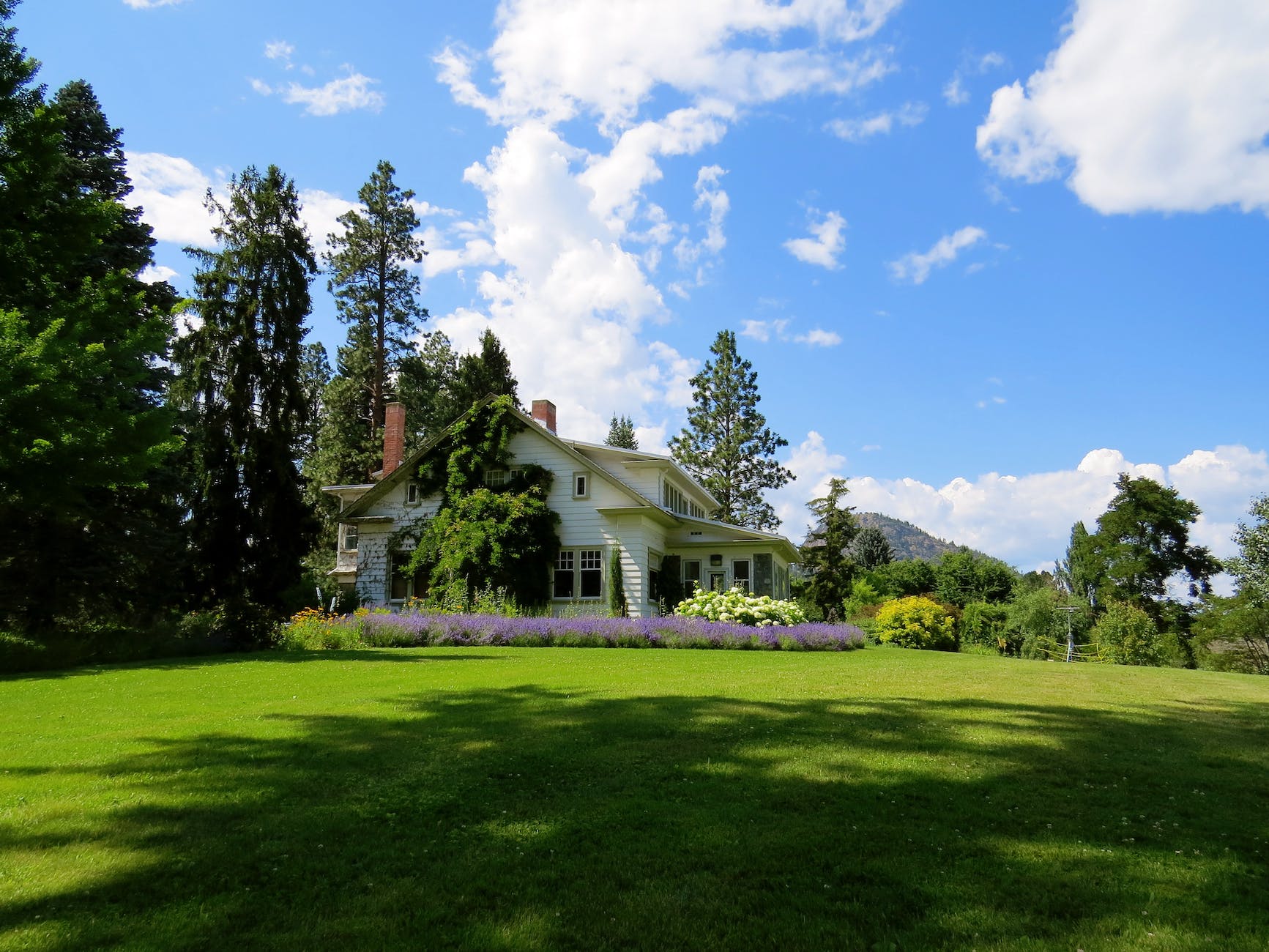
Understanding the Needs of Seniors
Retirement villages buzz with life, each resident bringing a unique rhythm to the community. But let’s face it, aging comes with its own set of challenges, especially when it comes to navigating outdoor spaces.
So, how can we design these havens to nurture the well-being of every individual, regardless of their physical limitations?
Understanding the Landscape
Diverse abilities
Picture residents with varying levels of mobility, some using canes, others seeking sturdy benches for rest. Weakened muscles, reduced stamina, and joint pain are common hurdles, making uneven terrain or dense foliage daunting obstacles. Vision impairments and balance issues add another layer of concern, increasing the risk of falls.
The power of outdoors
Stepping outside isn’t just a change of scenery. It’s a health boost. Nature lowers stress, lifts mood, and keeps minds sharp. Even light walks or gardening improve strength, heart health, and independence.
Challenges in plain sight
Traditional landscapes can unintentionally become exclusion zones. Uneven paths, loose gravel, or steep inclines act as barriers, limiting access to these vital spaces. Let’s be honest, mowing, weeding, and shoveling snow aren’t exactly senior-friendly activities, either.
Designing for Everyone
The key lies in creating accessible and safe outdoor havens that embrace diversity. Smooth, level pathways winding through vibrant landscapes, strategically placed benches offering moments of rest, and well-maintained gardens inviting exploration.
By acknowledging the unique needs of each individual and carefully considering physical limitations, we transform outdoor spaces into vibrant hubs of engagement, physical activity, and overall well-being.
Why An Artificial Lawn is the Right Choice for Retirement Centers
Discover why more retirement villages are embracing artificial grass, a choice that marries aesthetics with practicality for the ultimate outdoor experience.
Maintenance and Cost Efficiency
Artificial grass champions efficiency, eliminating the need for watering, mowing, or fertilizing. This not only slashes labor but also reduces the consumption of water and other resources significantly.
Considering the average cost of maintaining a natural lawn, which can include weekly mowing, seasonal fertilizing, and daily watering, homeowners spend approximately $100 to $200 monthly. In contrast, artificial grass, after the initial investment, incurs minimal costs, primarily related to occasional brushing and rinsing.
For example, the initial setup cost for artificial turf might range from $5 to $20 per square foot, depending on the quality and type of turf. However, this investment pays off rapidly.
If we calculate the average water bill savings (considering that watering a lawn uses about 30% to 60% of a household’s total water usage during warmer months) and add the reduction in gardening services expenses, the break-even point is reached within just a few years.
Here’s a table illustrating the annual savings when opting for artificial grass over a natural lawn:
| Expense Category | Natural Lawn Annual Cost ($) | Artificial Grass Annual Cost ($) | Annual Savings with Artificial Grass ($) |
| Water Bills | 1200 | 0 | 1200 |
| Gardening Services | 600 | 100 | 500 |
| Fertilizing | 200 | 0 | 200 |
| Total Annual Cost | 2000 | 100 | 1900 |
Moreover, the longevity of artificial grass, which lasts up to 15 to 25 years, ensures it remains pristine with minimal maintenance, avoiding the recurring financial burden associated with traditional lawn upkeep.
This durability aspect translates into a direct price reduction over time, as the need for replanting, fertilizing, and regular watering is completely eliminated, making artificial grass an economically smart choice for retirement villages and homeowners alike, keen on reducing both labor and long-term landscaping costs.
Safety and Accessibility
With its non-slip surface, artificial grass reduces the risk of falls. The level, even terrain, is perfect for walking, whether on foot or with mobility aids.
Rain or shine, artificial grass remains accessible. Its excellent drainage capabilities prevent puddles and mud, ensuring outdoor areas are always ready for use.
Health Effects and Aesthetic Appeal
Vibrant and green all year round, artificial grass transforms outdoor spaces into beautiful, welcoming areas. It’s a visual treat that boosts the overall appeal of retirement villages. For instance, the psychological effects of green spaces, particularly in urban environments, have been extensively studied and show significant benefits for the mental restoration and well-being of older adults.
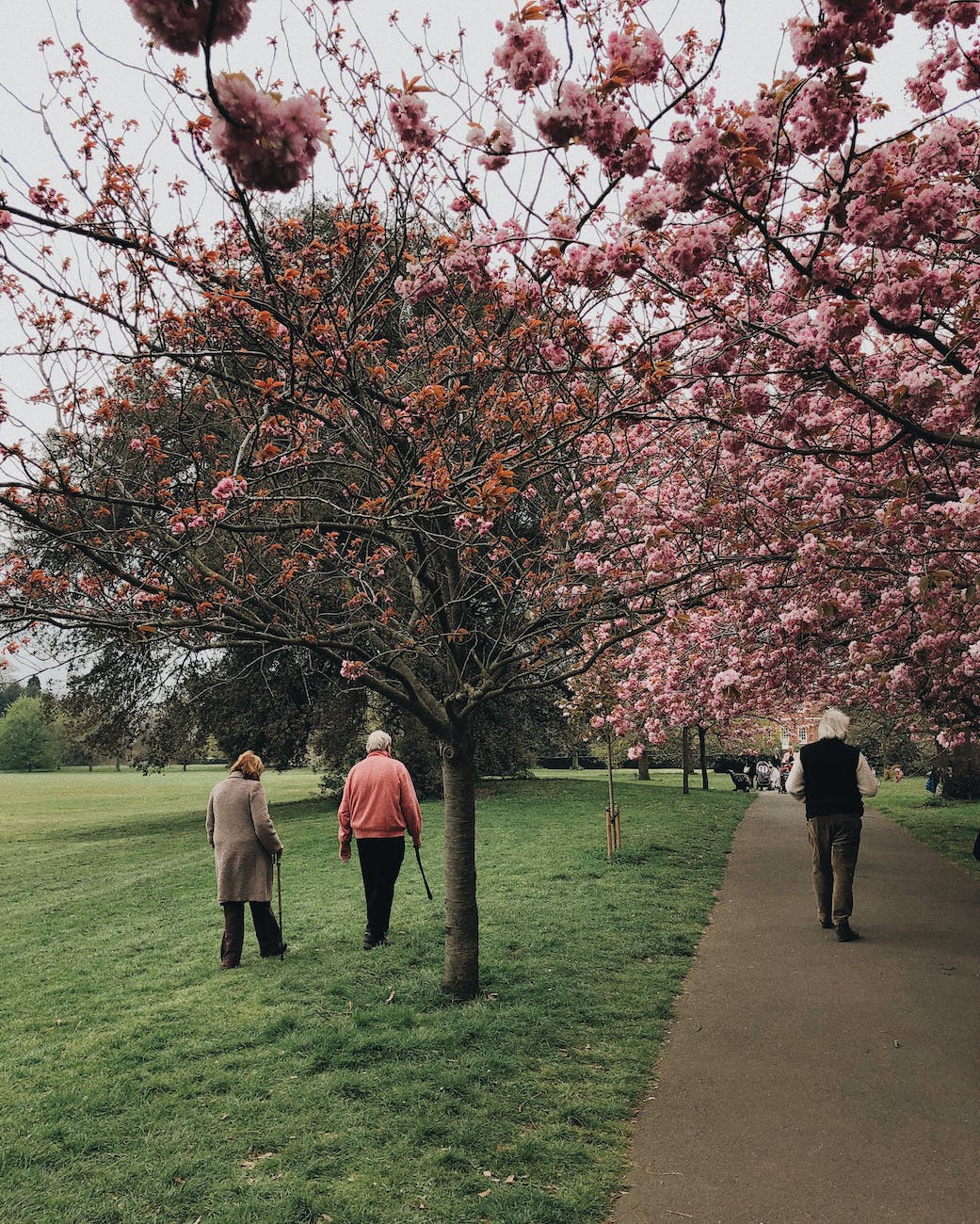
These benefits are underlined by theories like Attention Restoration Theory (ART) and concepts such as perceived sensory dimensions (PSDs).
Mental Restoration in Urban Green Spaces
A 2022 study conducted in Tokyo explored the effects of small public urban green spaces (SPUGS) on the mental health of older adults. It revealed that exposure to these green spaces had a notable impact on mental restoration. The study emphasized the importance of certain environmental features of SPUGS, like the green view index and boundary enclosure, in enhancing the mental restoration of older adults.
It also highlighted that the colorfulness index was strongly related to the vitalizing effect, suggesting that the aesthetic aspects of green spaces play a significant role in influencing mental well-being??.
Attention Restoration Theory (ART)
ART posits that natural settings are beneficial for restoring directed attention and reducing mental fatigue. According to this theory, a restorative environment should include elements of being away (a feeling of distance from routine), fascination (effortlessly holding attention), coherence (well-organized environments), and compatibility (a match between the environment and the person’s activities).
Exposure to natural environments, as opposed to urban settings, is believed to aid in the recovery from mental fatigue, which is particularly relevant for older adults who may experience increased mental stress or cognitive decline??.
Perceived Sensory Dimensions (PSDs)
PSDs are used to categorize the qualities of urban natural environments that contribute to human well-being and health. These dimensions include aspects like serenity, nature, richness in species, space, prospect, refuge, and social and cultural elements.
Studies have shown that environments rich in these dimensions, particularly those emphasizing refuge, nature, and species richness, tend to be more restorative for stressed individuals, including the elderly. This approach helps in understanding how specific characteristics of landscapes can be optimized for the psychological restoration of older adults.
| Key Takeaway These findings underline the importance of carefully designed green spaces in urban environments, especially for the elderly, as they offer substantial mental health benefits. The consistent presence of green color and natural elements in such spaces, including artificial grass, plays a key role in enhancing the psychological well-being of older adults, providing a serene and rejuvenating environment that reduces stress and improves mood. |
Installation and Types of Artificial Grass
Choosing the perfect type and understanding the installation process to enhance outdoor spaces effectively is crucial. Here’s some tips about artificial turf/grass:
Selecting the Right Type
When considering artificial grass for retirement villages, selecting the right type is crucial for both aesthetic appeal and functional use. Here’s how you can make a wise choice:
Landscaping Grass for Communal Areas
Opt for a lush, realistic landscaping grass that offers a natural look and feel. This type is perfect for creating inviting communal areas where residents can relax and socialize. Look for options that are soft to the touch yet durable enough to withstand foot traffic.
Specific Types of Activities
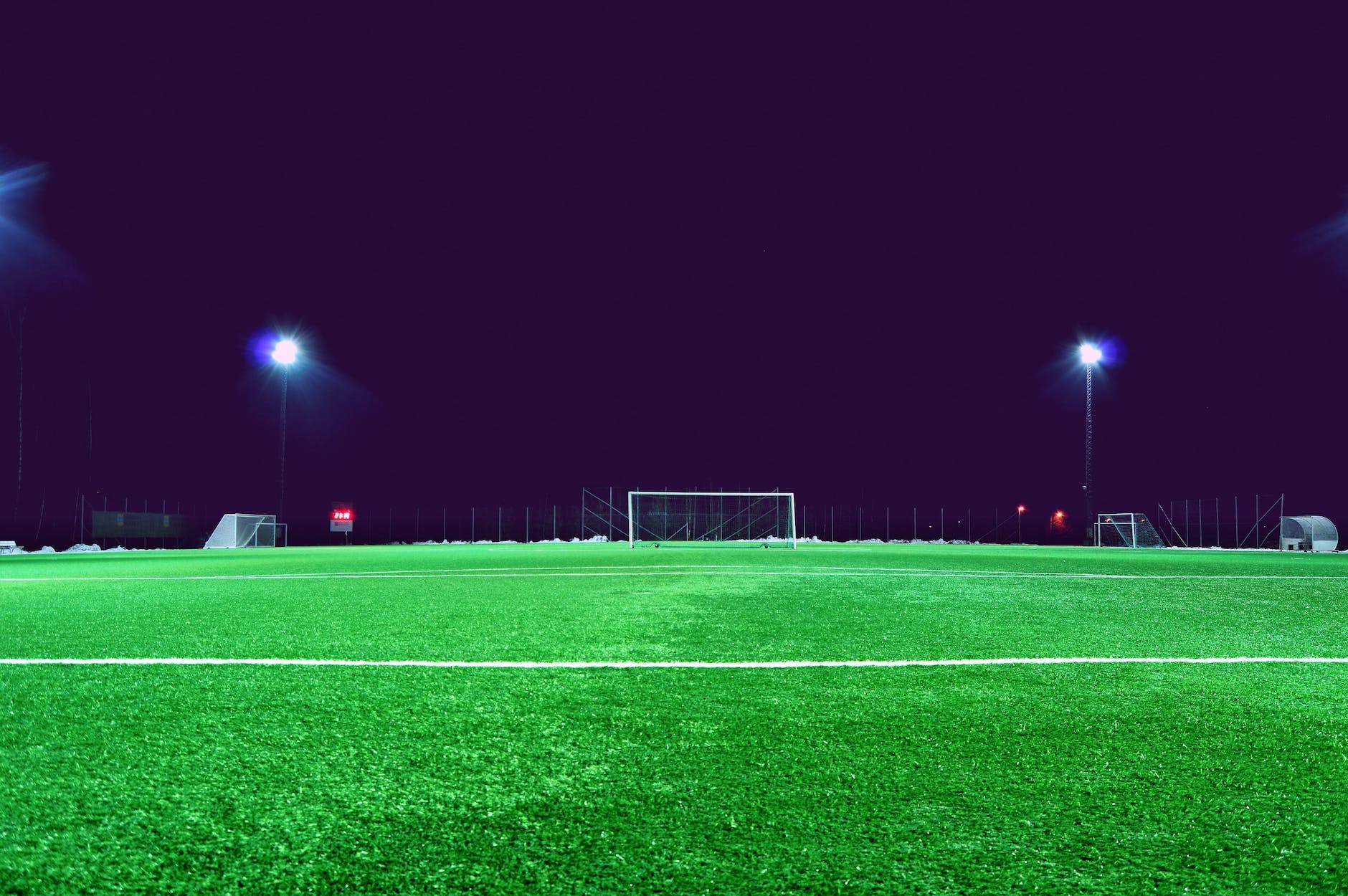
For areas designated for activities like croquet or putting, it’s essential to choose grass types designed for sports use. These varieties provide a smooth, even surface that enhances the playing experience. They’re engineered to offer the right balance of firmness and bounce, ensuring that the ball rolls smoothly and predictably.
Installation Process
Ensuring a flawless installation of artificial grass involves a few critical steps and considerations. Here’s a brief overview to guide you through:
- Preparation: The first step involves preparing the ground, which includes removing the existing lawn, leveling the ground, and ensuring proper drainage. This foundation work is crucial for a smooth, long-lasting finish.
- Professional Installation Services: While DIY installation is possible, professional services guarantee a seamless and durable setup. Experts have the tools and knowledge to address any challenges, ensuring the artificial grass fits perfectly and functions as intended.
- Choosing the Right Installer:
- Look for installers with a solid track record in installing artificial grass, especially in settings similar to retirement villages.
- Request to see examples of previous installations to gauge the quality of their work.
- Seek feedback from other retirement villages or clients to understand their satisfaction levels and the installer’s reliability.
Environmental Considerations and Solutions
When you’re exploring the option of artificial grass for retirement villages, it’s essential to weigh the environmental impact alongside the undeniable benefits. Addressing concerns and seeking eco-friendly alternatives leads to more sustainable landscaping choices.
Environmental Impact
- Soil Ecosystem Disruption: Understand that traditional artificial grass hinders the soil’s natural ecosystem. Microorganisms and insects vital for soil health might suffer due to the lack of natural grass and earth exposure.
- Microplastic Pollution: Be aware of the potential for microplastic particles to shed from artificial turf. These particles find their way into waterways, contributing to the broader issue of plastic pollution affecting aquatic life.
Innovative and Eco-friendly Alternatives
Thankfully, advancements in artificial grass technology offer promising solutions to these environmental concerns. Here’s what to look for:
- Recycled and Recyclable Materials: Seek out artificial grass made from recycled materials, reducing the demand for new plastics. Equally important, ensure the product is fully recyclable to minimize its environmental footprint at the end of its life cycle.
- Permeable Backing for Soil Health: Opt for artificial turf with a permeable backing that allows water to reach the soil beneath, helping to maintain some level of soil ecosystem functionality.
- Non-toxic and Lead-free Options: Ensure the artificial grass you select is free from harmful chemicals and heavy metals, protecting not just the environment but also the health of the retirement village residents.
Benefits of Artificial Grass in Senior Living Facilities
You’re making a pivotal shift towards enhancing health and wellness for residents in retirement villages. The introduction of artificial grass plays a significant role not only in beautifying the environment but also in promoting a more active, socially connected community.
Here’s how:
Physical Activity and Outdoor Spaces
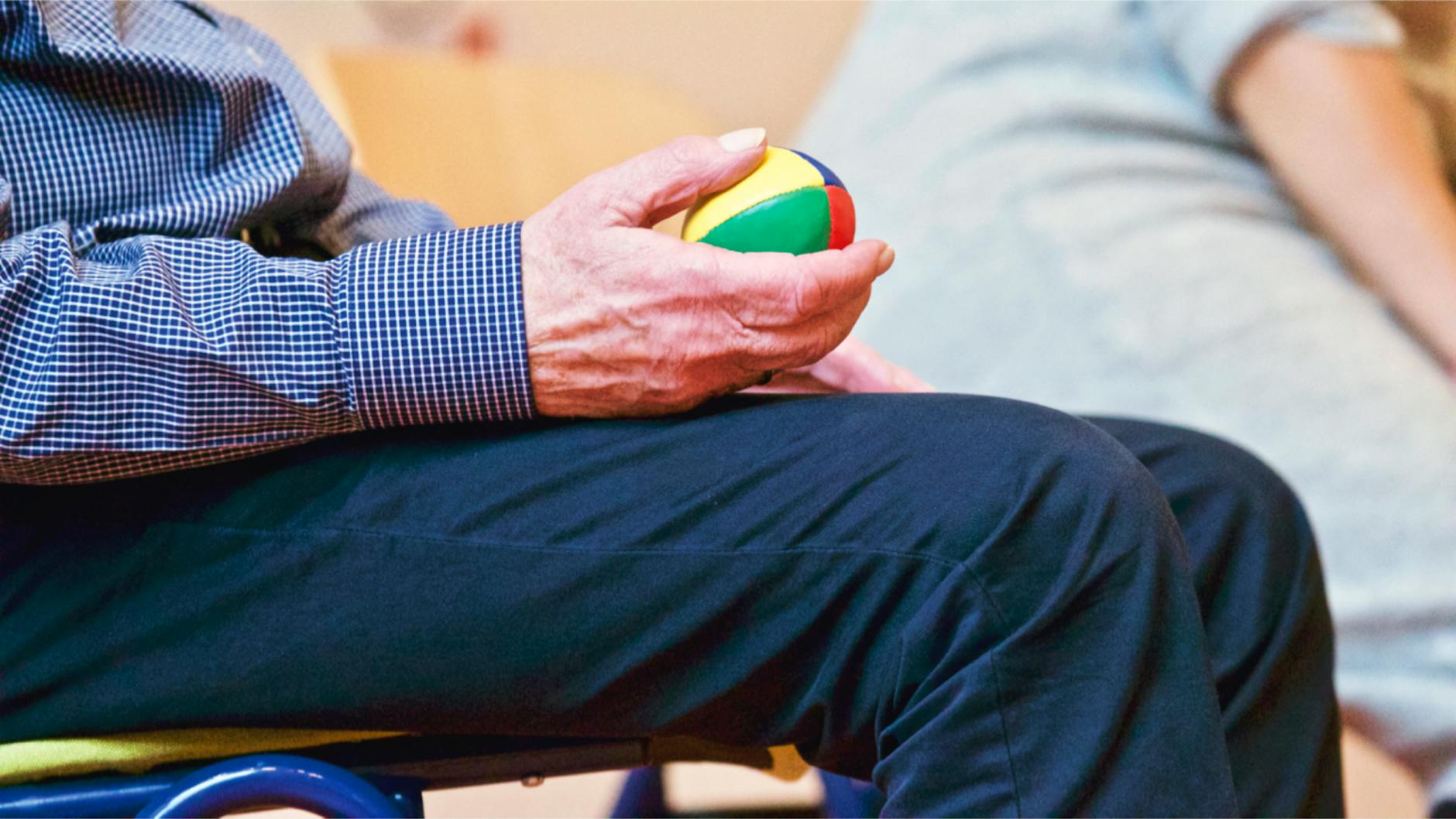
- Boost to Physical Health: Artificial grass invites you to step outside and enjoy a variety of physical activities. Whether it’s yoga, tai chi, or gentle walking, these spaces are designed for easy, safe access, encouraging everyone to stay active. The benefits? Improved balance, strength, and overall health.
- Enhanced Cognitive Function: Regular physical activity in these inviting outdoor areas not only keeps the body fit but also sharpens the mind. Engaging in exercise amidst green, lush surroundings has been shown to boost cognitive function, reduce the risk of dementia, and improve mental well-being.
Social Interaction and Community Building
- Fosters Stronger Connections: Picture this: vibrant, green spaces that serve as the perfect backdrop for social gatherings, activities, and events. Artificial grass areas encourage residents to come together, share experiences, and create lasting friendships.
- Reduces Isolation: By providing a welcoming environment for outdoor activities, artificial grass indirectly helps combat loneliness and isolation among seniors. It’s a space where laughter fills the air, stories are shared, and support networks flourish.
Challenges and Mitigation Strategies for Artificial Grass
When you choose artificial grass for retirement villages, you’re opting for convenience, beauty, and safety. However, like any solution, it comes with its own set of challenges. Understanding these and knowing how to mitigate them ensures that your green spaces remain inviting, functional, and environmentally friendly.
Heat Absorption Issues
One notable challenge with artificial grass is its tendency to absorb and retain heat, potentially making outdoor areas uncomfortably warm during peak summer months. This can deter residents from enjoying the outdoor spaces and negate some of the benefits of having accessible, low-maintenance green areas.
Here are detailed strategies to combat heat absorption:
Opt for Lighter Colors
Selecting artificial grass in lighter shades is a practical approach to significantly reduce heat absorption, as these colors reflect rather than absorb sunlight, thereby maintaining a cooler surface temperature.
While this choice affects the aesthetic features of artificial turf, it opens up creative landscaping opportunities. To balance aesthetics with functionality, consider integrating patterns or borders using darker shades to add depth and interest.
This method allows for a cooler turf overall while still achieving a natural, lush appearance. Incorporating native plants and natural elements around the lighter turf also enhances the overall beauty and ecological value of the space, making this choice not just a compromise but an innovative design strategy.
Innovative Cooling Technologies
Advances in artificial turf technology have led to the development of products that incorporate cooling features. These grasses are engineered to dissipate heat more efficiently than traditional options, often through enhanced water retention capabilities or by reflecting infrared light (like this one).
Investing in these innovative solutions helps maintain a cooler surface, enhancing the usability of outdoor spaces even on hot days.
Strategic Shade Solutions
Integrating shade structures, such as pergolas, gazebos, or umbrellas, can provide immediate relief from the sun for both residents and the artificial turf below.
Alternatively, planting trees strategically around the area not only offers natural shade but also contributes to the overall beauty and ecological balance of the space.
These natural and man-made shade solutions significantly reduce the temperature of artificial grass areas, making them more comfortable and inviting.
Proper Ventilation and Cooling Systems
Installing a subsurface cooling system or ensuring adequate ventilation around the turf area alleviates heat issues. While more technologically complex and potentially costlier, these systems effectively lower surface temperatures and provide a long-term solution to heat absorption challenges.
Rinsing with Water
Regularly rinsing the artificial grass with water can also help cool down the surface temporarily. This maintenance practice, combined with the strategies mentioned above, enhances the thermal comfort of artificial grass, ensuring it remains a pleasant and safe environment for all users.
Environmental and Biodiversity Concerns
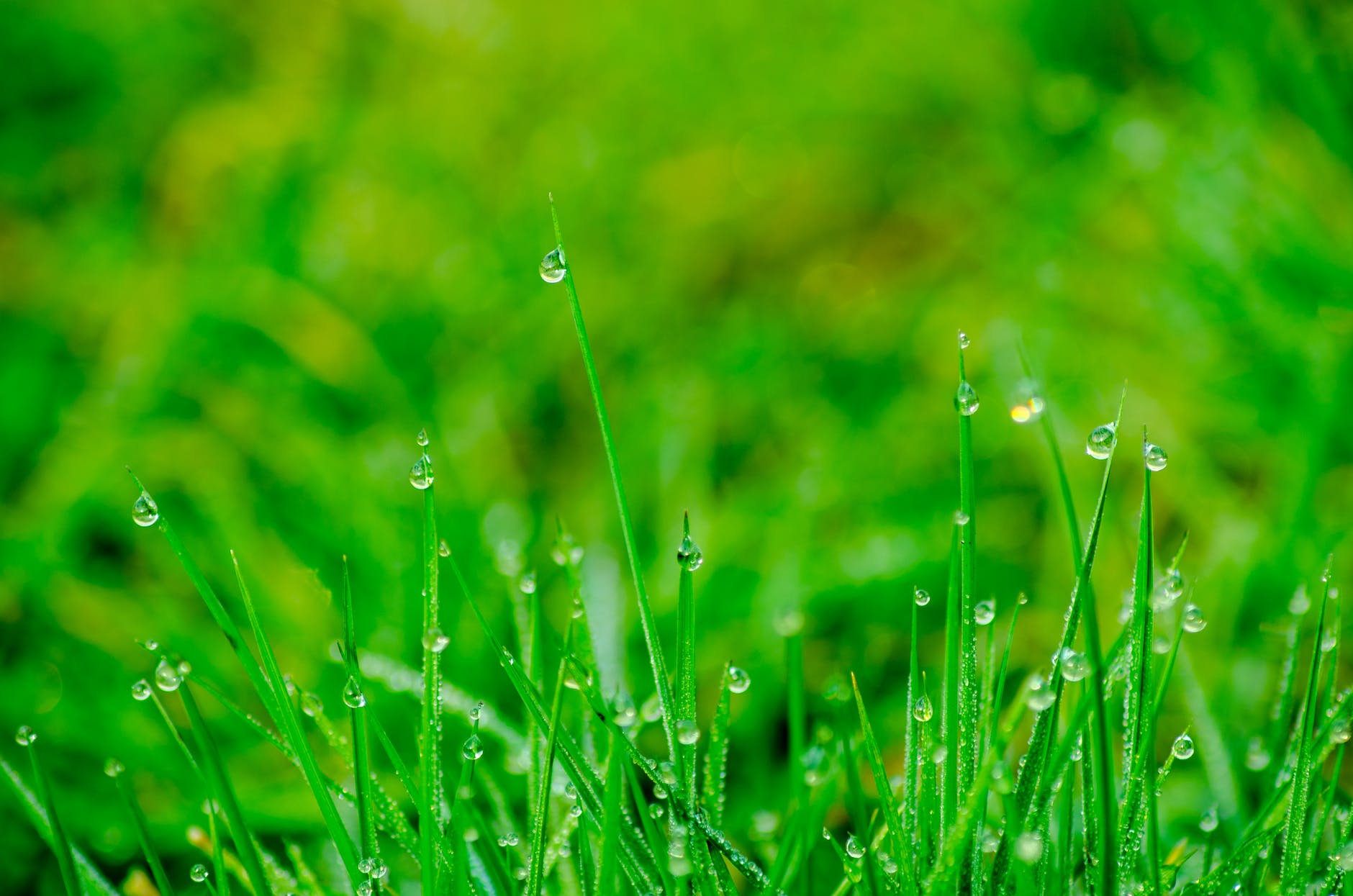
While artificial grass is celebrated for its low maintenance and aesthetic consistency, its integration into landscapes raises important questions about impacts on local ecosystems and biodiversity.
The uniform, non-living nature of artificial turf does not support the same level of biological diversity as natural grasslands, which can lead to a decline in local flora and fauna populations.
Pollinators like bees and butterflies are particularly vulnerable, as they rely on the nectar and pollen of flowering plants, which are often absent in artificial landscapes. This decline has cascading effects on plant reproduction and ecosystem health.
Here are detailed strategies to address these environmental concerns:
Incorporate Natural Elements
To mitigate the impact on biodiversity, integrating artificial grass with natural landscaping elements is essential. Incorporating native plants, trees, and flowers around artificial turf areas can create habitats for local wildlife, including pollinators such as bees and butterflies, and support a diverse ecosystem.
Native vegetation plays a crucial role in providing food and shelter for local wildlife, promoting a balanced ecosystem. By blending artificial and natural elements, you can enjoy the benefits of artificial grass while still fostering biodiversity and supporting the local ecological network.
Permeable Underlay
Traditional installation of artificial grass often involves removing topsoil and replacing it with compacted layers for stability. This disrupts the natural soil structure, hindering water infiltration and reducing the soil’s ability to filter pollutants and store carbon.
Reduced water permeability leads to increased runoff, potentially overloading storm drains and impacting aquatic ecosystems downstream. Selecting artificial grass with a permeable underlay is a critical mitigation strategy.
Permeable underlays allow rainwater and irrigation water to pass through the artificial turf into the soil below, supporting subsoil life and reducing the risk of runoff that can carry pollutants to local waterways.
This approach helps maintain the hydrological cycle and supports the health of underlying soil ecosystems, which is crucial for nutrient cycling and supporting surrounding natural vegetation.
Eco-friendly Materials
The production and disposal of artificial grass materials pose environmental challenges, including the use of non-renewable resources and potential landfill waste.
Opting for artificial grass made from recycled materials or those that are fully recyclable at the end of their life cycle significantly reduces the environmental footprint associated with artificial turf.
Recycled materials lessen the demand for virgin resources and promote a circular economy, while recyclable options ensure that the turf can be repurposed, minimizing waste.
Companies that adhere to sustainable practices in manufacturing artificial grass are contributing to broader sustainability efforts, aligning with global objectives to reduce environmental impact.
Maintenance and Longevity of Artificial Grass in Aged Care Facilities
To maximize the benefits, understanding the routine maintenance requirements and durability aspects of artificial turf is key. Here’s how to ensure your artificial turf remains a lasting, vibrant part of your outdoor spaces.
Routine Maintenance Requirements
Maintaining artificial grass is straightforward, ensuring its longevity and appearance with minimal effort. Here are simple tasks you can perform:
- Regular Cleaning: Brush the grass to keep it looking fresh and upright. Use a leaf blower to remove debris, such as leaves and twigs.
- Spot Cleaning: Attend to spills and stains promptly. Most spills can be rinsed away with water, while soap and water can tackle most stains.
- Weed Control: Although artificial grass is less prone to weeds, occasional sprouting occurs. Remove weeds by hand or use a mild herbicide if necessary.
Durability and Warranty
High-quality artificial grass products are designed to withstand the test of time, offering both durability and peace of mind through warranty offerings.
- Expected Lifespan: Premium artificial grass lasts up to 15-20 years, depending on foot traffic and maintenance. Its resilience against wear and tear makes it an ideal choice for retirement villages.
- Warranty Offerings: Look for products that come with a substantial warranty, often ranging from 8 to 10 years. This warranty covers various aspects, including UV protection and fiber integrity, ensuring your investment is protected.
Conclusion
In embracing artificial grass for retirement villages, you invest in a vibrant, low-maintenance solution that enhances outdoor spaces for residents. From selecting the right type and understanding the installation process to ensuring eco-friendly practices and straightforward maintenance, artificial grass offers a practical, aesthetically pleasing option.
Its benefits, including safety, accessibility, and environmental sustainability, make it a smart choice for enriching the lives of seniors in retirement communities.
Opting for artificial grass signifies a commitment to combining convenience with care for the environment and the well-being of residents, highlighting a forward-thinking approach to retirement living spaces.
FAQs on Artificial Grass in Retirement Villages
Exploring the use of artificial grass in retirement villages raises several questions about its benefits, maintenance, and environmental impact.
Below, we address some of the most frequently asked questions to help clarify the advantages and considerations of incorporating artificial grass into these communities.
How do I choose the right type of artificial grass for a retirement village?
Selecting the right type involves considering the intended use of the space. Opt for softer, more durable varieties for high-traffic areas and specific types designed for sports or leisure activities to ensure safety and satisfaction.
What routine maintenance is required for artificial grass?
Maintain your artificial grass by:
- Regularly removing debris with a leaf blower or brush.
- Performing occasional deep cleaning with water and mild detergent.
- Checking for and promptly addressing any minor repairs.
Does artificial grass have a negative environmental impact?
While concerns exist regarding its production and disposal, choosing eco-friendly options made from recycled materials and ensuring proper drainage mitigate environmental impacts. Incorporating natural landscaping elements also helps maintain biodiversity.
Is it wheelchair-friendly?
Yes, several wheelchair-friendly options with minimal or non-abrasive infill are available, promoting accessibility for all residents.
Does it get slippery when wet?
High-quality artificial grass with proper drainage should not become slippery when wet, although staying cautious during heavy rain is still advisable.
What about snow removal?
Snow can be easily shoveled or cleared with a snowblower on artificial grass, unlike natural lawns requiring careful snow removal to avoid damage.
Is it more expensive than natural grass?
While the upfront cost of artificial grass installation is typically higher than that of seeding or laying natural grass, the long-term financial benefits are substantial.
The initial investment in artificial grass includes the cost of the turf itself plus installation expenses, which might range significantly depending on the quality of the material and the complexity of the landscape.
However, the savings over time from reduced water usage eliminated lawn care services, and the absence of fertilizers and pesticides can offset this initial cost.
Can I install it myself?
While possible for small areas, professional installation ensures proper base preparation, drainage, and seam connection for optimal results.
Can artificial grass handle heavy use in communal areas?
Yes, one of the key advantages of artificial grass is its ability to withstand heavy use without suffering damage or wear that natural grass would. Its durability makes it an ideal choice for high-traffic areas in retirement villages, such as communal gardens, patios, or walkways.
This resilience ensures that outdoor spaces remain aesthetically pleasing and functional year-round, regardless of foot traffic.
Is maintenance of artificial grass truly easier than natural grass?
Artificial grass requires significantly less maintenance than natural grass. It eliminates the need for watering, mowing, and fertilizing, thereby reducing labor and resource consumption.
Occasional brushing and rinsing are generally all that’s needed to keep artificial turf looking its best, making it a convenient option for retirement villages where minimizing maintenance is a priority.
Is artificial turf pet-friendly?
Choose pet-specific turf with appropriate drainage and infill options. Regular waste removal and occasional cleaning are still important.
Is artificial turf safe for children and grandchildren visiting senior facilities?
Yes, when choosing child-safe turf with appropriate certifications and adhering to safety guidelines. Always supervise children playing on any surface.